Electrical and Electronics Engineering
The Department of Electrical and Electronics Engineering at Stella Mary's College of Engineering, Kanyakumari, prepares students in electrical machines, power systems, power electronics, renewable energy, electrical drives, control systems, instrumentation and energy technologies for modern engineering applications.
Vision & Mission
The vision and mission of the Department of Electrical and Electronics Engineering reflect its commitment to technical excellence, innovation, ethical leadership, industry collaboration and sustainable development.
Vision of the Department
To be a regional beacon of excellence in Electrical and Electronics Engineering, fostering innovative and ethical leadership who drive technological advancements for a prosperous and environmentally sustainable society.
Mission of the Department
- M1 – Innovation and Sustainable Future: To ignite a passion for innovation in electrical and electronics engineering for a sustainable future, equipping graduates with cutting-edge skills to address global challenges.
- M2 – Academia–Industry Collaboration: To bridge the gap between academia and industry through collaborative learning, empowering future engineers to tackle emerging challenges.
- M3 – Ethical Leadership and Social Responsibility: To cultivate ethical leaders in electrical engineering, equipping them with technical excellence and social responsibility needed to shape a more sustainable future.
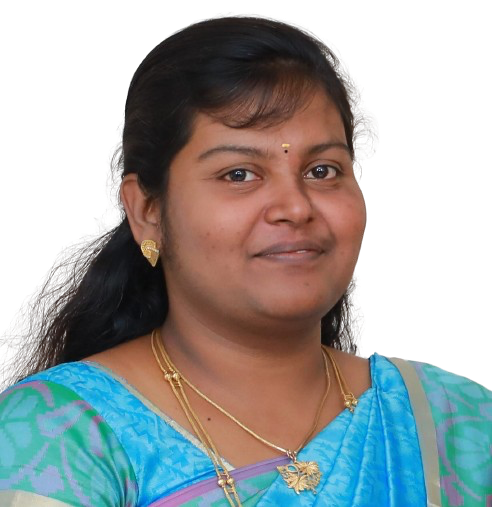
Electrical and Electronics Engineering Faculty
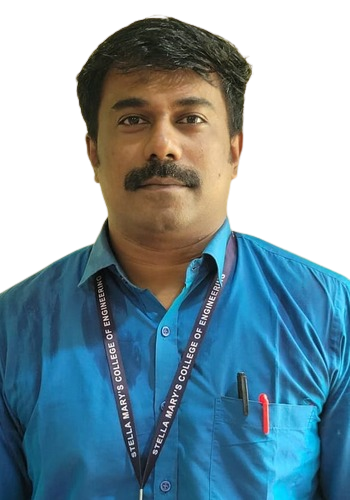
Teaching faculty of the Department of Electrical and Electronics Engineering.
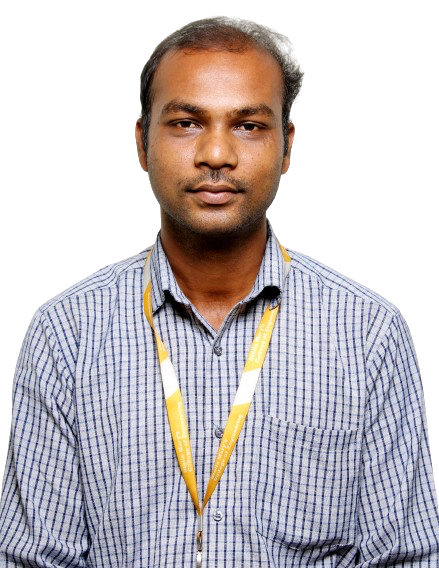
Non-Teaching Staff
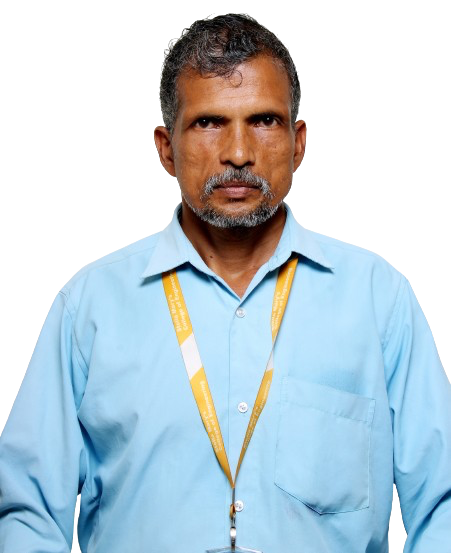
Technical and laboratory personnel supporting Electrical and Electronics Engineering.
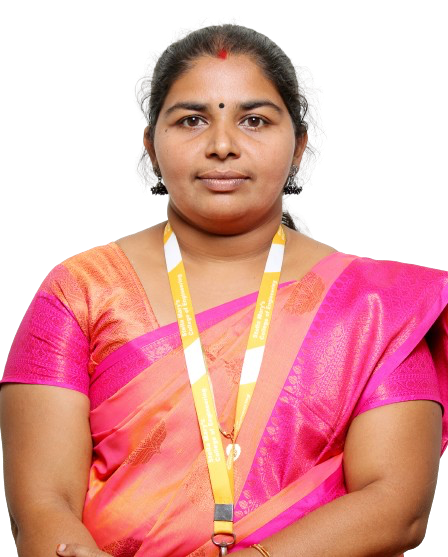
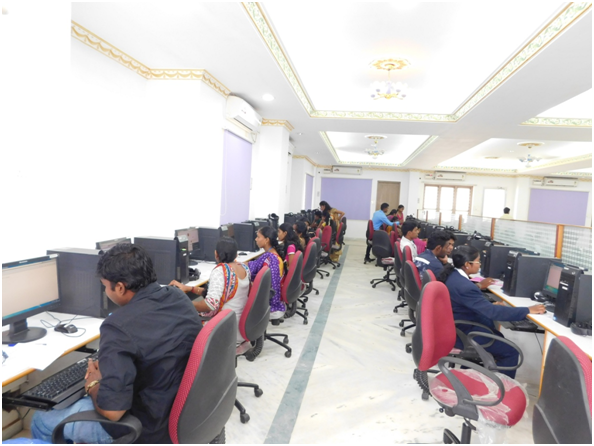
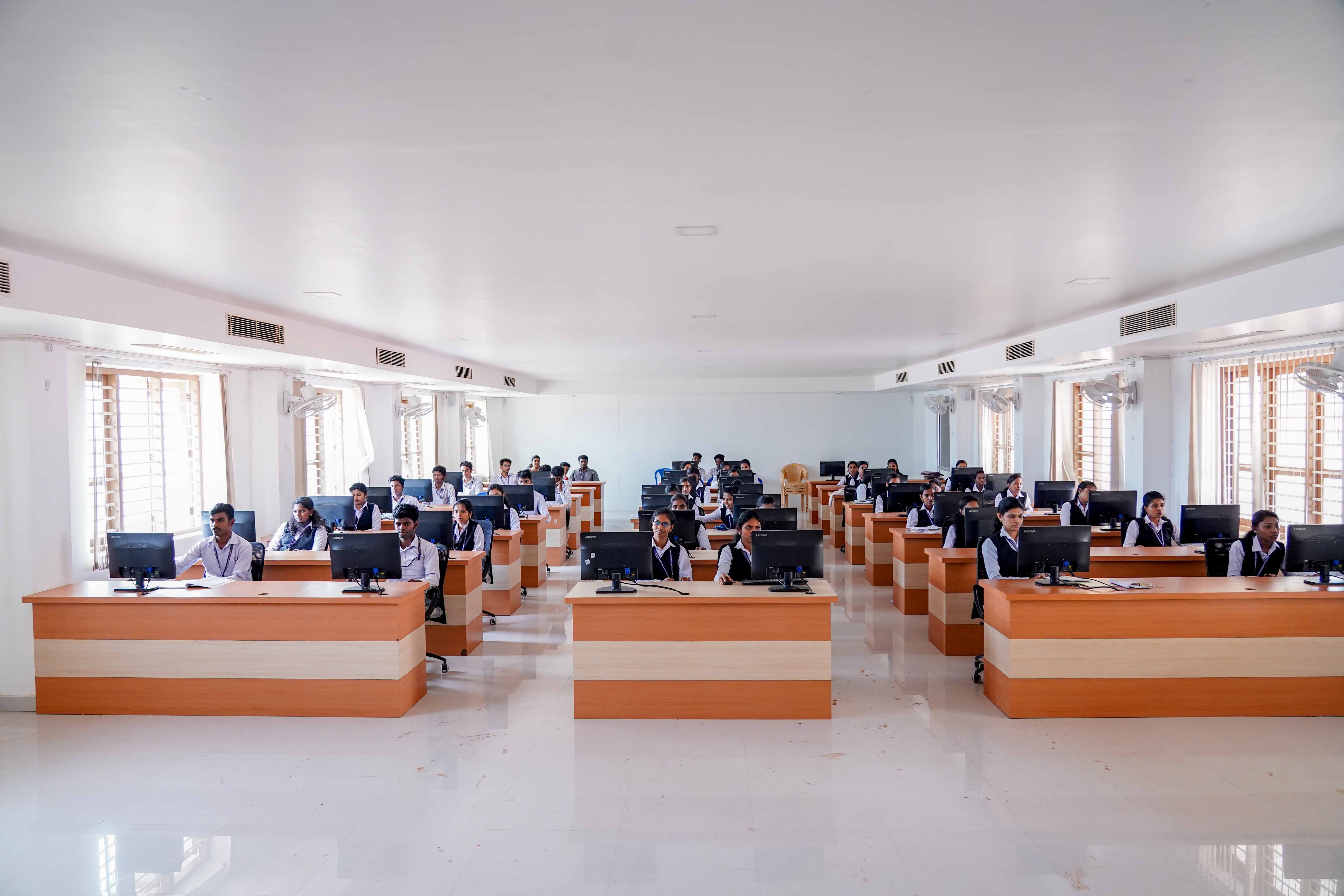
EEE Laboratories
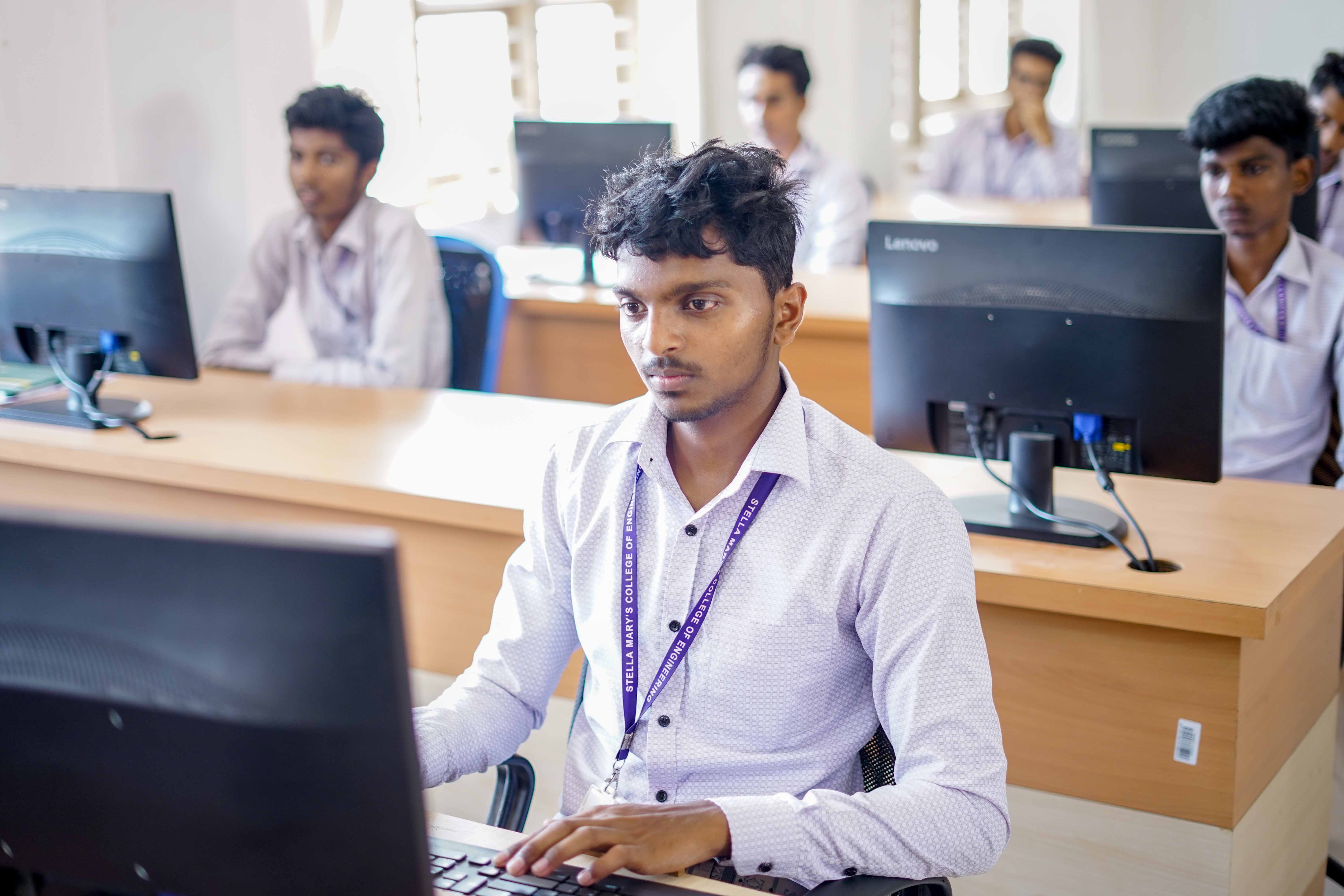
Practical facilities supporting electrical machines, power electronics, power systems, instrumentation, control and circuit technologies.
This laboratory introduces students to basic electrical measuring equipment and commonly used electrical instruments. Students gain practical knowledge of wiring circuits, electrical quantities, residential wiring and troubleshooting of electrical equipment.
- Voltmeters
- Ammeters
- Single-phase and Three-phase Energy Meters
- Power Factor Meter
- Transformer Winding Machine
- LPF and UPF Wattmeters
- Megger
- Resistive Load
- Inductive Load
- Capacitive Load
- Multimeter
- Earth Tester
The Control and Instrumentation Laboratory enables students to study measurement, instrumentation, automation and feedback-control systems using hardware and simulation tools.
- Bridge Kits
- LVDT Trainer
- P, PI and PID Controllers
- Synchro Controllers
- AC Servo Motors
- Oscilloscope
- DC Position Control System
- AC Position Control System
- Resistive, Inductive and Capacitive Loads
- Earth Tester
- Megger
- Stepper Motor
- MATLAB
The Power Electronics and Drives Laboratory provides practical understanding of semiconductor devices, converters, inverters, choppers, AC voltage controllers and electrical motor drives.
- Voltage Commutated Chopper
- Current Commutated Chopper
- Series Inverter
- Parallel Inverter
- McMurray Inverter
- Universal Motor Speed Control Drive
- DC Motor Speed Control Drive
- AC Voltage Controller using SCR and TRIAC
- Single-phase Half Converter
- Single-phase Full Converter
- Three-phase Converter
- Cycloconverter
- Spectrum Analyzer
- TMS320F240 DSP
- CRO
- Function Generator
- Regulated Power Supply
The Power System Simulation Laboratory supports simulation and analysis of electrical power systems. Students use engineering software for electrical-system modelling, analysis and project development.
- MATLAB
- PSPICE
- ETAP
- Engineering Simulation Packages
- Computer Workstations
The Electrical Machines Laboratory supports experiments on transformers, DC machines, induction motors and synchronous machines. Students perform load tests, speed-control tests, open-circuit tests, short-circuit tests and energy-conversion experiments.
- Motor-Generator Sets
- Motor-Alternator Sets
- Induction Motors
- Synchronous Motors
- Transformers
- Lamp Loads
- Inductive Loads
- Resistive Loads
- Compound Machines
- Tachometers
- Voltmeters
- Ammeters
- Wattmeters
- Megger
- Frequency Meter
- Synchroscope
- Rheostats
- Starters
- DC Motors
The Electric Circuits Laboratory develops practical understanding of DC and AC circuits, electrical measurements and verification of circuit theorems.
- Voltmeters
- Ammeters
- CRO
- DSO
- Regulated Power Supply
- Single-phase Energy Meter
- Power Factor Meter
- LPF and UPF Wattmeters
- Resistive Load
- Inductive Load
- Capacitive Load
- Multimeter
- Resistance, Capacitance and Inductance Boxes
The Linear Integrated Circuits Laboratory provides hands-on experience with operational amplifiers, timers, voltage regulators, ADCs, DACs and related analogue-integrated-circuit applications.
- Digital Multimeter
- Analog IC Tester
- Cathode Ray Oscilloscope
- Dual Power Supply
- Function Generator
- Linear IC Trainer Kits
- ADC and DAC Measurement Controllers
- PSPICE
- Digital ICs
The laboratory supports the study of optical links, microwave components, fibre characteristics, antenna radiation and microwave S-parameters.
- Klystron Test Bench - X Band
- Advanced Fiber Optic Trainer Kit
- Single Mode Fiber Characteristics Trainer
The Embedded Systems Laboratory enables students to study ARM processors, memory interfaces, real-time systems, I/O interfaces and embedded-system development.
- ARM Trainer Boards
- ARM Cortex M3
- Zigbee Module
- Temperature Sensor
- Stepper Motor
- Keyboard
- LCD
- ADC
- DAC Starter Kit
- RTC
- UART
- EEPROM
- PWM Interfaces
Board of Studies
Board of Studies meetings and academic records of the Department of Electrical and Electronics Engineering.

EEE Curriculum & Syllabus
Academic regulations for the B.E. Electrical and Electronics Engineering programme.
Programme Outcomes, Programme Specific Outcomes & Programme Educational Objectives
Graduate attributes, discipline-specific competencies and educational objectives of the B.E. Electrical and Electronics Engineering programme.
Programme Educational Objectives (PEOs)
The graduates of the B.E. Electrical and Electronics Engineering programme will be able to:
- PEO1 – Professional Employment: Find employment in Core Electrical and Electronics Engineering and service sectors.
- PEO2 – Technical Leadership: Get elevated to technical lead position and lead the organization competitively.
- PEO3 – Higher Studies, Research and Consultancy: Enter into higher studies leading to post-graduate and research degrees. Become consultant and provide solutions to the practical problems of core organizations.
- PEO4 – Entrepreneurship: Become an entrepreneur and be part of electrical and electronics product and service industries.
Programme Outcomes (POs)
Engineering graduates will be able to:
- PO1 – Engineering Knowledge: Apply mathematics, science, engineering fundamentals and engineering specialisation to complex engineering problems.
- PO2 – Problem Analysis: Identify, formulate and analyse complex engineering problems using mathematics, science and engineering principles.
- PO3 – Design / Development of Solutions: Design engineering systems and solutions while considering safety, societal and environmental requirements.
- PO4 – Conduct Investigations: Apply research methods, experimentation, data analysis and interpretation to derive valid conclusions.
- PO5 – Modern Tool Usage: Select and apply appropriate engineering techniques, simulation tools and IT resources.
- PO6 – Engineer and Society: Apply contextual reasoning to health, safety, legal, societal and cultural issues.
- PO7 – Environment and Sustainability: Understand the environmental impact of engineering solutions and the need for sustainable development.
- PO8 – Ethics: Apply ethical principles and professional responsibilities.
- PO9 – Individual and Team Work: Function effectively individually and in multidisciplinary teams.
- PO10 – Communication: Communicate effectively with engineering professionals and society.
- PO11 – Project Management and Finance: Apply engineering and management principles to projects and multidisciplinary environments.
- PO12 – Life-long Learning: Engage in continuous and independent learning in response to technological change.
Programme Specific Outcomes (PSOs)
Graduates of Electrical and Electronics Engineering will be able to:
- PSO1 – Foundation of Electrical Engineering: Ability to understand the principles and working of electrical components, circuits, systems and control that are forming a part of power generation, transmission, distribution, utilization, conservation and energy saving. Students can assess the power management, auditing, crisis and energy saving aspects.
- PSO2 – Foundation of Mathematical Concepts: Ability to apply mathematical methodologies to solve problems related with electrical engineering using appropriate Engineering tools and algorithms.
- PSO3 – Computing and Research Ability: Ability to use knowledge from various domains to identify research gaps and hence to provide solutions which leads to new ideas and innovations.
Academic Calendar
Semester schedules and academic milestones for EEE.
EEE Newsletter
Department activities, academic programmes and technical achievements.
EEE Newsletter Documents Required
The previous page displayed Civil Engineering newsletters. Those links have been removed to prevent incorrect departmental information from being indexed.
Industry Collaboration
Industrial interaction, internships, value-added training and collaborative academic activities.
EEE Placement
Placement records and career outcomes of students from the Department of Electrical and Electronics Engineering.
EEE Gallery
Electrical Engineering laboratory work, student projects, technical programmes and department events.
EEE Gallery Images being uploaded!
EEE Alumni Testimonials
Experiences from graduates of Electrical and Electronics Engineering.
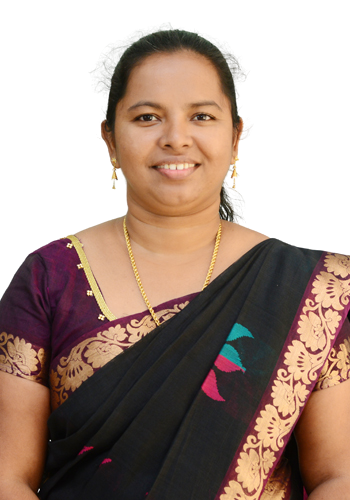
EEE Alumni Testimonials upload in process!
About Electrical and Electronics Engineering at Stella Mary's College of Engineering
Quick answers about the B.E. Electrical and Electronics Engineering programme.
What degree does the EEE Department offer?
The department offers the B.E. Electrical and Electronics Engineering programme at Stella Mary's College of Engineering.
What is the intake for Electrical and Electronics Engineering?
The B.E. Electrical and Electronics Engineering programme has an intake of 60 students.
Who is the Head of the EEE Department?
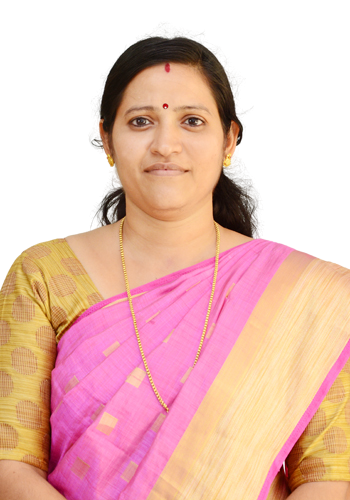
The Department of Electrical and Electronics Engineering is headed by Dr. K. Ezhil Vignesh.
What are the main areas studied in EEE?
Students study electrical circuits, electrical machines, power generation, power transmission, power distribution, power electronics, electrical drives, control systems, instrumentation, renewable energy and power-system analysis.
What laboratories are available in the EEE Department?
The department provides practical facilities including Electrical Engineering Practices, Electrical Machines, Power Electronics and Drives, Power System Simulation, Control and Instrumentation, Electric Circuits and Linear Integrated Circuits laboratories.
What careers are available after B.E. Electrical and Electronics Engineering?
EEE graduates can pursue careers in power generation, transmission and distribution, electrical machine design, industrial automation, electrical drives, renewable energy, energy management, control systems, manufacturing, electric mobility and related engineering industries.
Why is Electrical and Electronics Engineering important?
Electrical and Electronics Engineering supports essential infrastructure such as power generation, electrical grids, industrial systems, transportation, renewable energy, automation and modern electronic technologies.
Where is Stella Mary's College of Engineering located?
Stella Mary's College of Engineering is located in Kanyakumari district, Tamil Nadu, India.